The Continuing Appeal Of Cash: Why “Real Money” Still Rules The World:
 “Despite the digitalisation of bank accounts and other internet transactions, the banknote is alive and well across the globe”. A recent report by the German company Koenig & Bauer, the
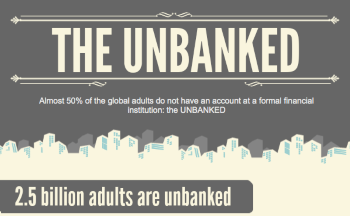
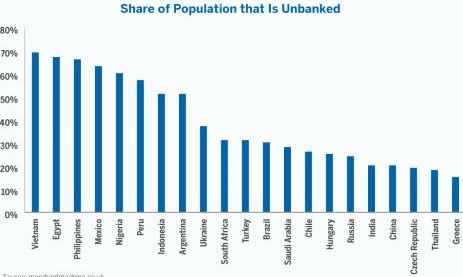
 leading international printer of paper & polymer currency, has confirmed that, to the surprise of many, demand for this product is increasing by 2%-3% annually. The main reasons for this, they conclude, is that banknotes “offer the greatest independence and freedom to their users, 1.6 billion people in the world don’t have bank accounts and there’s no data security risk involved with cash”.
 The Financial Times editor, Roula Khalaf, has cited the estimate by Nikki Strickland, head of marketíng at De La Rue, a British company based in Basingstoke which prints more than 69 national currencies, that there are 620 billion banknotes in circulation globally with 170 billion being manufactured every year. Khoulaf also notes that, according to Jennifer Adam, curatór at the Bank of England Museum, cash is still “hugely relevant “ to the many people across the UK who feel that it enables them to keep better control of their finances when they go out shopping.
Hannah Horvath, a contributor to the Nasdaq stock market information service, agrees that the main problem with digital payments is that is that it’s easy to lose track of how much money you’ve spent, as transactions are invariably swift and effortless: “With cash, we can only spend what we physically possess, so (unlike with debit or credit cards) can’t go over budget or accumulate debt. Furthermore, as Horwath points out, paying with cash is anonymous and doesn’t require providing sensitive account details which can be hacked or stolen.
In an editorial on 2nd May, the Guardían acknowledged that although the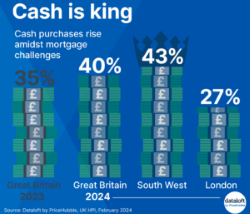
 “onward march” of digital payments won’t stop, cash still counts. Indeed, as the ASC business brokers have emphasised, the view that “cash is king” has been prevalent in the financial industry for decades and especially since the stock market collapse of 1987, on the basis that having liquid funds readily available on hand can give companies a clear competitive advantage The Guardian also highlighted the results of a survey by the Financial Conduct Authority (FCA) showing that 46% of “digitally excluded” people, 31% of those with no educational qualifications and 26% of those in poor health rely on cash “to a great extent”, as dó those who have difficulties remembering their PIN number.
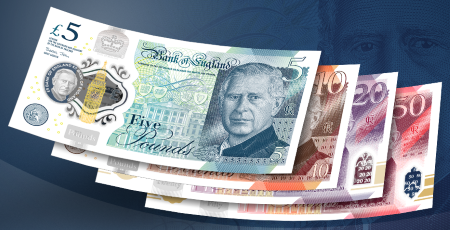
 Meanwhile, the Bank of England has clearly been confident about the launch on June 5th of its new banknotes, featuring the other King, namely Charles III. His portrait is the only change to the existing designs of the £5, £10, £20 and £50 notes. The ones with the face of Queen Elizabeth II, of which there are around 4.7 billion, worth £82 billion, in circulation, will remain legal tender and in use until they are worn or damaged. Unlike his mother, King
  Charles is not shown wearing a crown. Coins and stamps with his image and British passports in the name of “His Majesty” have already been introduced over the past year. ATM and vending machine companies, as well as all shops, needed to have updated their appliances by June 5th to ensure they can accept the new designs.
 Although Natalie Ceeney, the chair of Cash Access UK doesn’t visualise the use of cash to carry on
 declining at the same rate as over the past decade, UK Finance data projects it will halve to 7% of payments by 2032. Its head of research, Adrian Buckle, he told Khalaf, attributes this to the increase in contactless payment limits to £100, growing consumer familiarity with tapping to pay and the increasing popularity of “digital wallets”, including Apple or Google Pay.
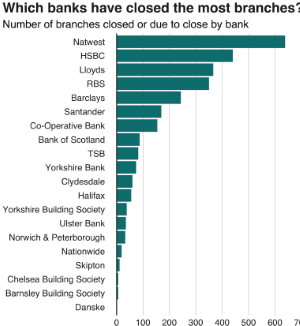 A statement issued by the FCA on 2nd April emphasised that it now has the power, under the Financial Services & Markets Act 2023, to deal with shortages in cash access services, especially in remote or rural areas. There’s particular
 concern about the declining number of bank branches. The consumer group “Which”? calculates there are only 4,000 still open across the UK. The GB TV News channel meanwhile is urging its viewers to sign a petition calling on the Government to introduce legislation that will maintain cash “as a widely accepted means of payment in the UK until at least 2050”.
For many businesses, however, asserts the moneycrashers.com correspondent Amy Livingston, going cash-free offers several significant advantages: no germ-laden or counterfeit banknotes, a reduced risk of armed robbery, less employee theft and faster customer service because card-based transactions are “less 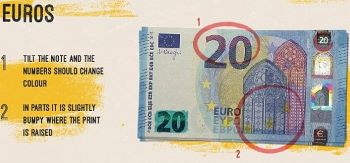 cumbersome” than cash payments. Also, machines that only
 process credit cards are smaller,sleeker and less expensive than bulky cash registers. Finally,there are fewer “banking hassles”: Making cash deposits is time-consuming. The manager has to count the money, prepare the paying-in slip, then take it all to the bank. With cards, these procedures become unnecessary and obsolete.