Unwanted Postal Deliveries: The Hidden Costs Of “Free” Gifts:
 “You don’t need a degree in psychology to understand that we
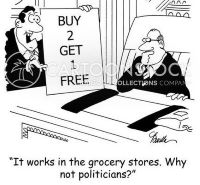
 humans adore getting something for nothing”. When the Slovak writer, Frantisek Markovic, made this observation on the Forbes global media company’s website, he also pointed out that companies,
 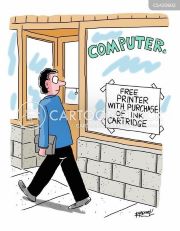 especially the major international ones, are well aware of this. That’s why, in their quest for ever-higher profits and expanding their businesses, part of their marketing strategy is to offer “freebies” to attract and then ensnare new customers.This does, however, notes Markovic, involve “invisible price structures” that mean someone else somewhere will eventually have to pay for these goods.
The “ultra-fast fashion” online Chinese retailer, Shein, whose headquarters are now based in Singapore has, for example, been accused  by the European Union of indulging in practices which mislead consumers and are in breach of EU law. Among the alleged infringements, as the Retail Insight Network observed on May 27, are presenting false discounts, employing
 pressure selling tactics, using deceptive product labels and concealing their contact details. Shein were ordered to respect EU rules and trading standards or face heavy penalties. Since then,
  nonetheless, as the Euronews correspondent, Estelle Nilsson-Julien, reported on 4th July, France’s Directorate for Competition, Consumer Affairs and Fraud Prevention (DGCCRF) has fined Shein 40 million euros for deceptively claiming price reductions (none at all for 57% of their products, marginally less for 19% and an actual increase for 11%).
 In the UK, the Labour Government is proposing to review the “de minimis” arrangement whereby small parcels worth less than £135 from Chinese e-commerce giants such as Shein,Temu, Alibaba and the TikTok Shop, as well as from Amazon, can enter the country without incurring import taxes. According to Theo Paphitis, the owner of Rymans and Robert Dyas, cited by the BBC News correspondent Faarea Masud on 24th April, the competition from this influx of cheap goods is having a devastating impact on the British retail sector.
 Exactly what then happens to all these parcels once they’re in Britain is of
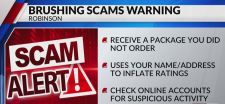
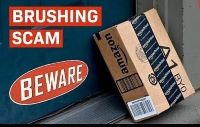
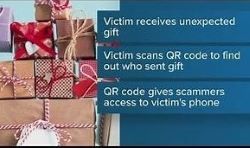 increasing concern to consumer protection organisations such as “Which?” and “Action Fraud”. Many of them, it seems, are being dispatched without charge to homes across the country even though they haven’t been ordered by any of the residents. “Which?” has calculated that more than one million households in the UK have been the victims of what has become
  known as a “brushing scam”. As the “watchyourpocket” website emphasised on January 17th, although the concept of receiving free items may seem harmless or even lucky, the scheme is not at all innocent. On the contrary, they say, it’s part of a much larger fraud operation designed to steal sensitive information and exploit unsuspecting victims.
 “Which?” statistics indicate that 63% of recipients questioned kept the product, 18% threw it away and 16% gave it away to a friend or family
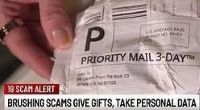 member. Although the merchandise delivered might appear to have come from organisations such as Shein or Amazon, in fact it’s more likely to be from a third-party seller using the names and addresses they’ve improperly obtained to post fake, positive reviews online of the fictitious purchases so they can boost their ratings, look like a very successful legitimate enterprise and
  so generate real sales. “Which” highlights the fact that the scammers are conscious that Amazon’s ranking system gives priority to products with ostensible high transaction volumes and glowing (albeit invented) comments. Hence, it’s essential for them to have a presence on the first two pages of the relevant section of the Amazon platform as potential purchasers rarely search any further.
Amazon say anyone receiving an unsolicited package with their company logo on it should contact their
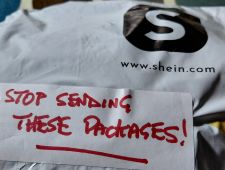 customer service immediately. With Shein, that’s more difficult as they appear to have reduced their functioning email addresses to just one, support@shein.com. Meanwhile, Royal Mail takes the view that there’s nothing they can do to stop the packages arriving, even if it’s on an almost daily basis. Their role and duty, they insist, is to consign them to the address specified as they’re not in a position to judge whether they’ve been genuinely ordered by the person living there.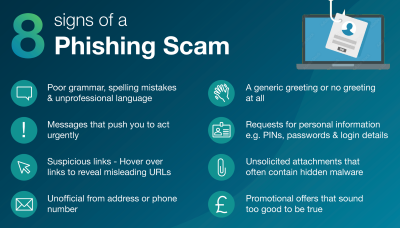
If you’ve been targeted in this way, it’s crucial (declares“watchyourpocket) to take immediate protective action. Never, it advises, scan the QR code on the package as this could then lead to a “phishing” site designed to steal your bank account, credit card and identity data as well as installing malicious software on the device you’ve used. Change your main. passwords in case they might have been compromised. When there’s a brand name on the package (such as Amazon or e-Bay) report the incident to them if there’s a contact link available.
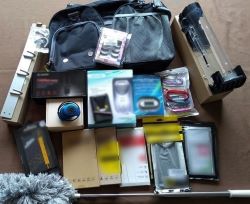 Don’t open it, but just write “Return To Sender” on it in red ink and put it back in the nearest post box. It can still take time to stop them coming. In the case of Teresa Martin, a retired teacher from Swindon in Staffordshire, it was seven months and 50 parcels, even though she notified Amazon after the first one arrived. There was nothing useful in them, just items such as false eyelashes, a bath mat, watch straps, food tongs, a face mask and an electronic soap dispenser. Neither she nor Amazon were ever able to find out who had sent them.