Ear Care: The Phenomenal Growth Of The Global Hearing Aid Market:
 “People only hear what they want to hear”. When the Brazilian songwriter
 and novelist, Paul Coelho, made this remark, the implication was that, for most of us, if we don’t like or agree with what the other person is saying, we’ll stop listening to them. The Boots pharmaceutical chain, by contrast, offers a rather more sympathetic interpretation. “Selective hearing”, they suggest on their website. though it may appear to be a sign of disrespect, is often just a defence mechanism to protect our brain from too many auditory stimuli, enabling us to block out sounds, noise or speech that we deem less important at that moment.
 However, Boots then add, if you suspect that your symptoms may
 indicate a hearing loss problem, you should get this verified by a professional. This of course is one of the services they provide, firstly as an initial 15-minute test, then a much longer one of 75 minutes if they consider you might need a hearing aid. The average cost of one of their devices, according to the “Which” consumer protection organisation, is around £2,914.
Statistics cited by the editor of Electro IQ, Rohan Jambhale, show that the global hearing aids market will increase in size from $15.11billion this year to $29.58 billion by 2032, a compound annual growth
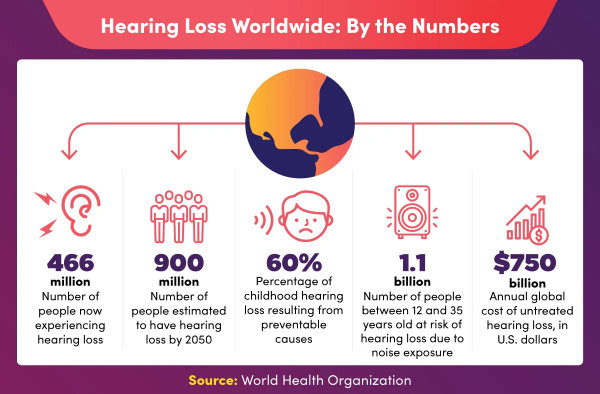
  rate (CAGR) of 10.19%. This correlates with the prediction that by 2030 there will be 509 million people around the world with hearing loss and 711 million by the end of 2050. The worst sufferers are in India (100 million), China (96 million), Indonesia (18.5 milllion), the USA (15 million), Pakistan (14.5 million) and Brazil (13 million).
 According to hearingaid.org.uk, figures available from the national hearing charity RNID, reveal that approximately 18 million people in Britain are affected by this impairment, especially 50% of the over-50s
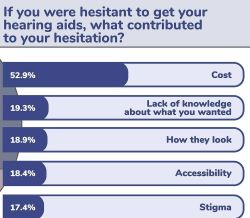
 and 80% of the over-70s. Despite this, only about two million individuals in the country utilize hearing aids, mainly due to the stigma associated with them, lack of information about the range of options and the perception that they are ineffective and / or too expensive.
 On 8th July, Joanna Pearl, a health researcher for “Which”, following a recent survey conducted by the organisation, published a list of the prices charged for a pair of hearing aids by some of the other UK retailers: Hidden Hearing (£3,720), Bayfields (£3,353), Amplifon (£2,850), Specsavers
  (£2,143). Hidden Hearing are currently promoting a model which is neither “in nor behind” the ear, but is “discreetly attached to the arm of your glasses” (if you wear them). Pearl emphasises that “price isn’t everything”
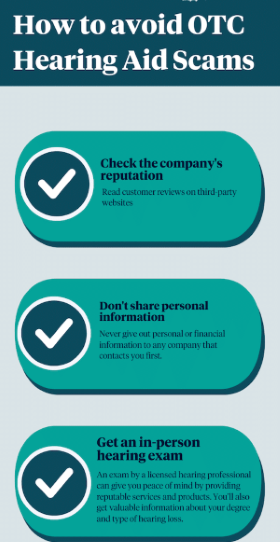 and that it’s equally important to ensure that you receive “good aftercare so the aids are adjusted well for you”. Furthermore, thoroughly research the alternatives before buying one, don’t be pushed into changing it after just one year (they have a three-to-five-year life expectancy) and check whether there’s a warranty to cover repairs or replacing it if it gets lost.
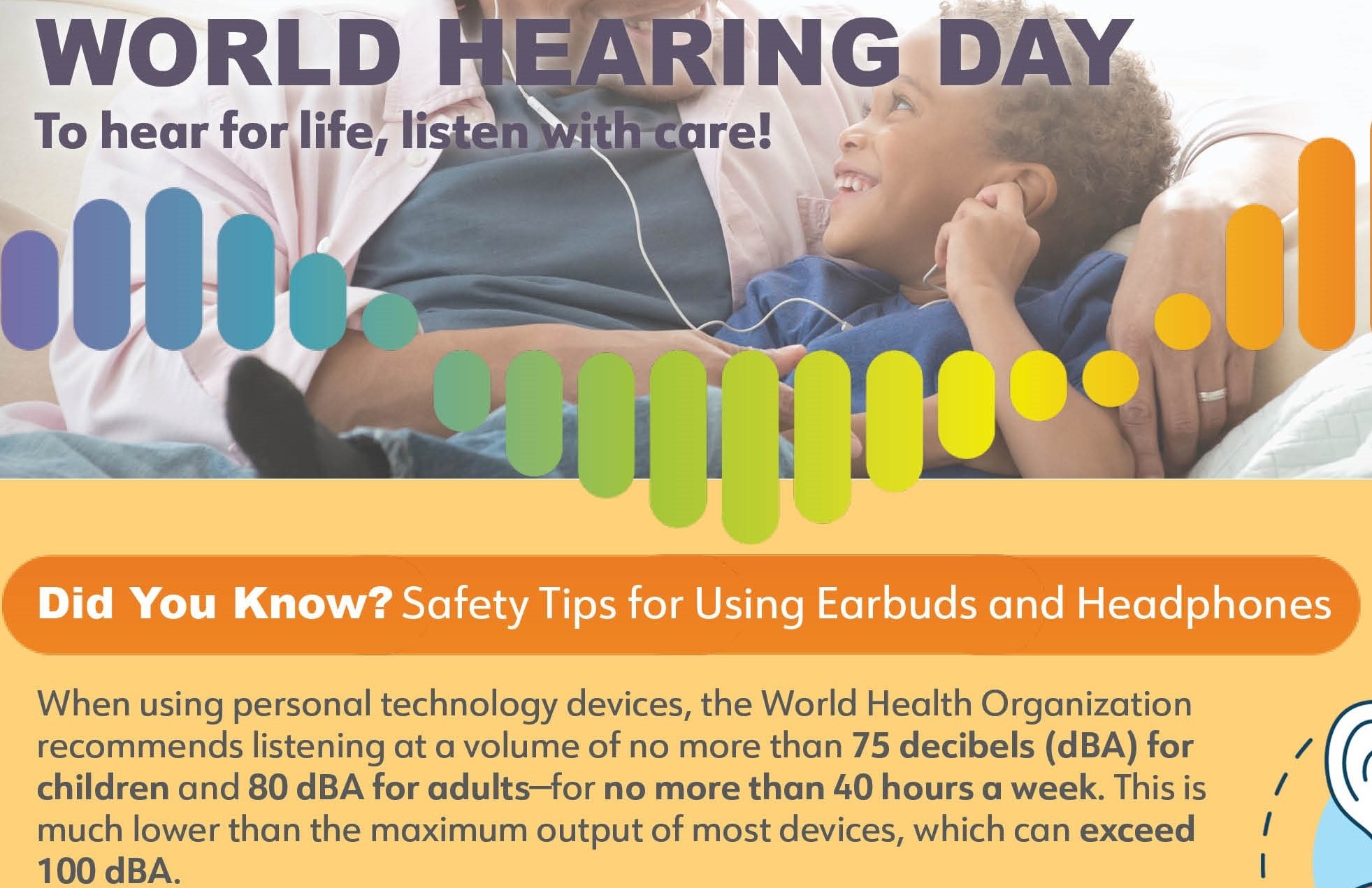 As the consultant ear surgeon at Thornbury Hospital, Sheffield, Wale Olarinde, noted on 4th February, the most common cause of hearing loss is “Presbyacusis”, which afflicts mainly older adults. There are, though, he declares, other significant factors, such as working in noisy environments (construction, factories, the music industry), frequent exposure to loud concerts, nightclubs or sporting events) and prolonged use of headphones at high volumes.
This last issue has become the focus of considerable debate, mainly because, as the Lebara correspondent,
 Kaushal Vijay, observed on November 27th, mobile phones have become such an integral part of our daily lives for both communication and entertainment. In 2024, the World Health Organisation (WHO) warned that more than one billion people worldwide are at risk from “unsafe listening”.
Hence, notes “Which?”, the National Health Service (NHS) advises listening with no more than 60% of the maximum volume on the device and not to use earphones or headphones continuously for more than an hour at a time, taking a break of at least five minutes every hour. Dr Lorenzo Picinali, an audio design expert at Imperial College London, considers that even 60% could already be too much.
Any ear discomfort caused by the electomagnetic radiation emanating from your phone can be considerably reduced, points out “mobiletechaddicts.com” by not holding it too close toyour head, but preferably at a distance of 30-40 centimetres. They recommend instead taking and making calls with the “speaker” mode or using a “hands- free” device, though acknowledge this can be impracticable in public spaces or on the underground. “Which” advocates acquiring headphones with good sound clarity and secure acoustic seals around the ears, so that way you won’t have to raise the volume to high to listen to music.
Calculations by the “finder.com” contributors Matthew Boyle and Sophie Barber, issued on July 4th, indicate that almost 99% of UK residents aged 16-54 currently own a smartphone and 82% of the over 65’s. Of these, 48% have an Apple phone and 51.5% an Android one, their monthly mobile data usage is approximately 9.9GB, they spend an average of 3 hours and 21 minutes on their device each day, and 93% can now access either a 4G or 5G network.