The Future Of British Fashion: New Strategies For Challenging Times:

 “We know you love fashion: That’s Why You’re Here. Right?” The media release from the British Fashion Council (BFC) prior to the latest London Fashion Week (18th – 22nd September) was as always extremely exuberant and forward-looking. “With a packed schedule (it proclaimed) we’ll be celebrating Britain’s bold voice through designers who have helped shape the world stage while also welcoming new talent to write the next exciting chapter”.
 Veteran journalists reporting on the event were, nonetheless, acutely aware
 that, despite the hyperbole, the UK sector faces a battle to maintain its global status. Although the Guardian’s fashion editor, Jess Cartner-Morley, highlighted on 20th September the fact that the industry contributes £68 billion to the country’s economy and supports more than one million jobs, she also quoted the BFC’s new CEO, Laura Weir, as acknowledging the “herculean” task posed by the repercussions from Brexit, Covid, the cost of living and the rise of Milan and Paris as “luxury superpowers that have sucked the lifeblood from the catwalks of
  London and New York”.
Despite the government pledge in June that the DCMS (Department of Culture, Media & Sport) will more than double it’s support for the UK’s creative industries, Weir has been told that there’s little money available, so is focusing on luring the famous brands back to London and looking beyond the capital for the next generation of British design talent. This correlates with the observation by the
  Sunday Times Style magazine editor, Laura Atkinson, in it’s 14th September edition, that “the north” is also having a major influence, thanks to emerging designers such as the Sunderland-
 born Louise Trotter (Bottega Veneta’s new creative director) and Liverpool’s Steven Stokey-Daley.
It’s not just the traditional catwalks, though, that are having to cope with the changed economic environment. As the Guardian’s business correspondent, Sarah Butler, pointed out on 5th
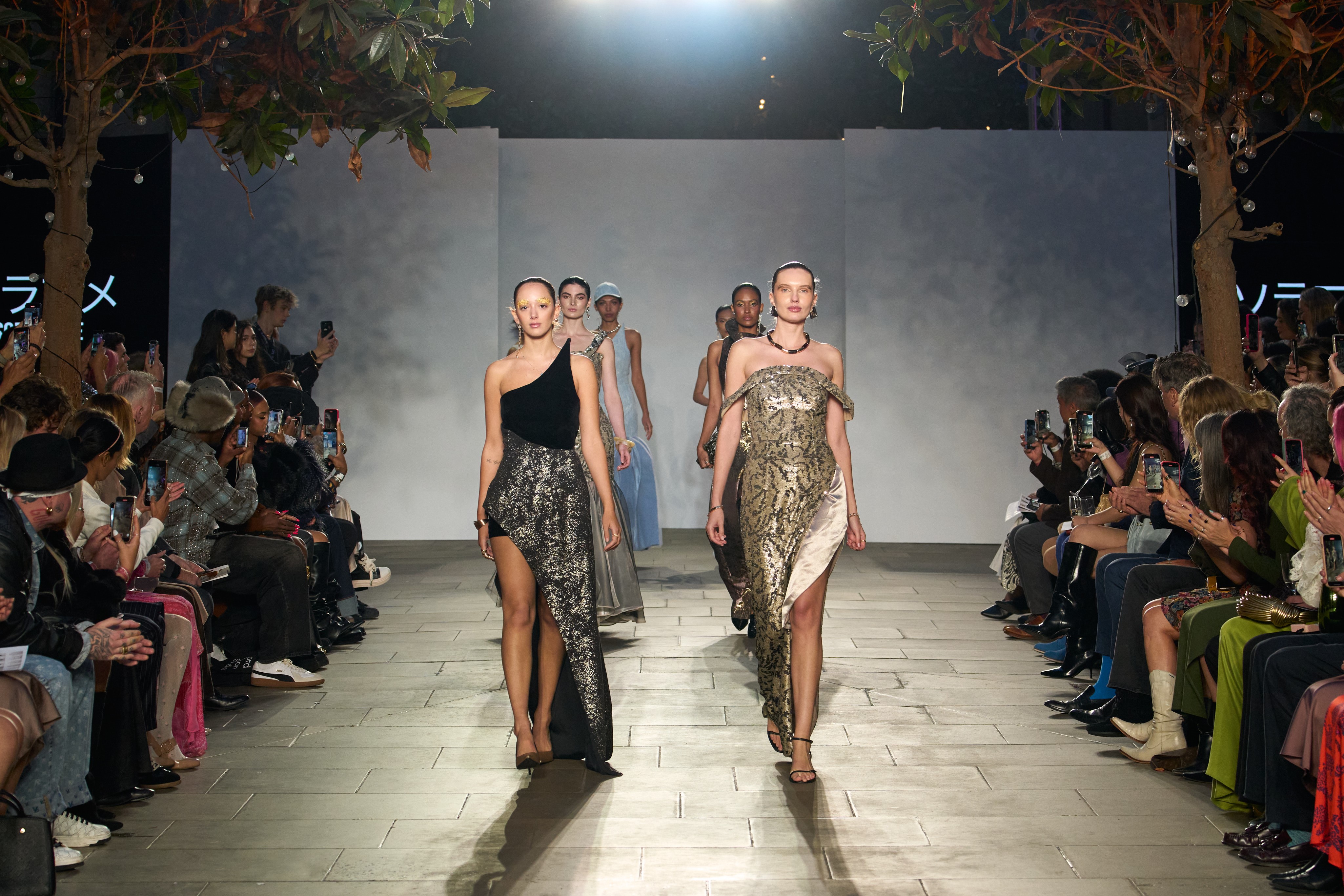
photo: Umberto Fratini / Gorunway.com
September, fast-fashion retailers such as Asos and Boohoo are now facing much sharper competition from Zara, Vinted, Next and especially from the Chinese company Shein, due to its “mastery of social media” and low prices. Shoppers have less to spend, notes Butler, so are giving more priority to holidays, music festivals, phone bills and streaming services instead of fashion items.
 However, there were plenty of positive aspects to LFW SS26. Cartner-
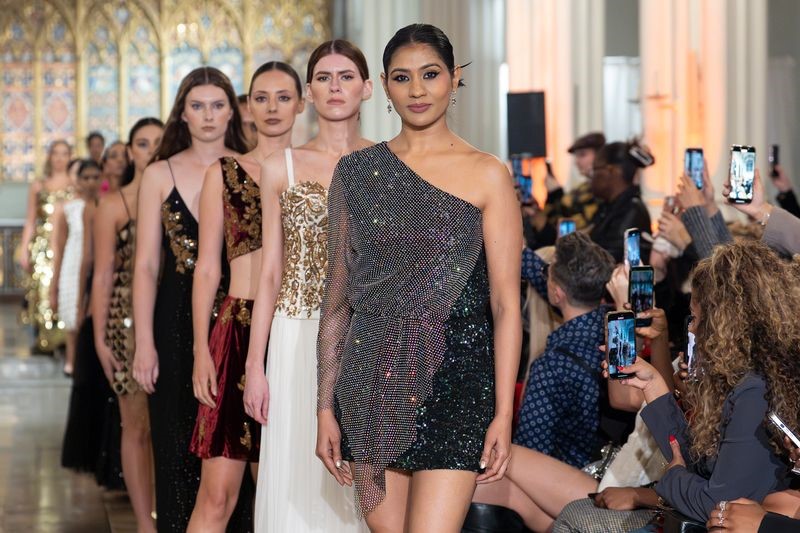 Morley described September as a “powerful month for fashion, a sunrise for new trends, high-noon for shopping and the peak season for glossy magazines”. She also hailed the fact that, unlike Milan and Paris, which are both dominated by male directors, LFW is a “matriarchy” where the “headline acts” were all women: Simone Rocha, Emilia Wickstead, Rosanda Ilincic and Edeline Lee.
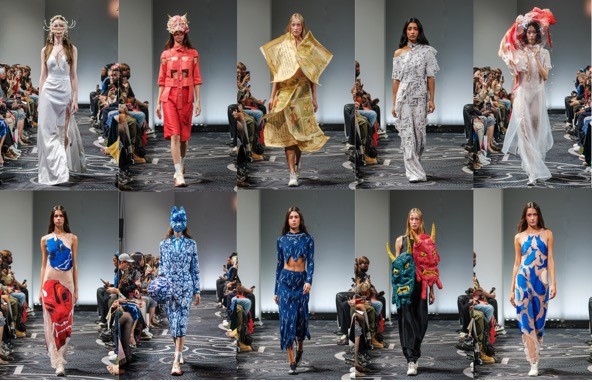
 Furthermore, the six-day event featured a wide range of eye-catching and often spectacular Shows, prominent among them Apujan (Taiwan) at 8 Northumberland Avenue, Pearl Academy (India), Art Hearts Fashion and Vinz World (all at St John’s Church, Hyde Park Crescent), Fashion Scout’s “One’s To Watch” at the Protein Studios in Shoreditch, the Prophetik Runway at the Tower of London, UDGN’s
 “Cultural Threads” SS26 at Ladbroke Hall and the Gee Gee Collection at the Conduit Club in CoventGarden.
The catwalks of course can’t take place without the models, which is why agencies 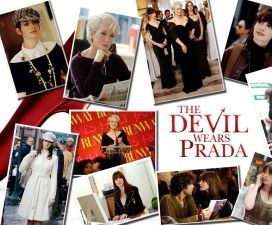 such as Volkova and Jimmy Choo were casting around for suitable candidates during the months preceding LFW SS26. . Any girls presenting themselves forinterview with Volkova had to be at least 16 years old and 173 cm or more tall, with “natural makeup, straight hair.leggings and a T-shirt (preferably black, without patterns) or other clothes that emphasised their figure”. The minimum age for boys was 18, with a height of at least 185 cm. The Jimmy Choo Academy’s emphasis was on aspiring models being “comfortable with runway and editorial photoshoots, hence confident and expressive with a strong presence”.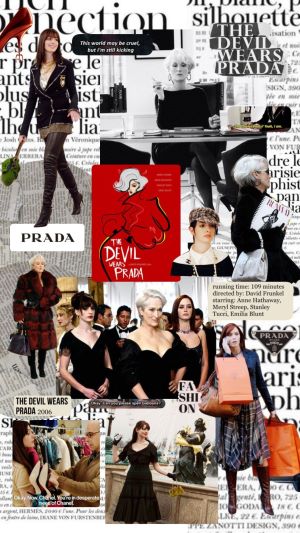
The main fashion news prior to LFW SS26 was that the British-American media executive Anna Wintour will be stepping down as editor-in-chief at American Vogue, a position she’s occupied since 1988, though she’ll remain as the editorial director for the magazine and its 28 other editions around the globe. This in turn has focused attention on the announcement by the Disney Company that a sequel to the 2006 film “The Devil Wears  Prada”will be released in cinemas on Friday 1st May 2026. One of the most enticing aspects of this, according to the BBC’s entertainment reporter, Steven McIntosh, on 2nd July is that Meryl Streep will reprise her role as the “wicked fashion editor Miranda Priestley”, whose character has generally been perceived as being based on Wintour, who herself has recently acknowledged the similarities.
Whether Anne Hathaway will appear in “Prada Part II” is apparently still uncertain, but her performance in the original highlighted the extent to which fashion magazine editors are dependent on their assistants. They’re the ones, declared the Sunday Times columnist Emma McCarthy on 14th September, who are having to keep up with the latest trends and so will know what will be in style next season. They’re also likely to be much better dressed than their boss.