US Tariff Mayhem Creates Export Confusion For British Retailers:
 “The UK fashion industry is experiencing a dynamic period of
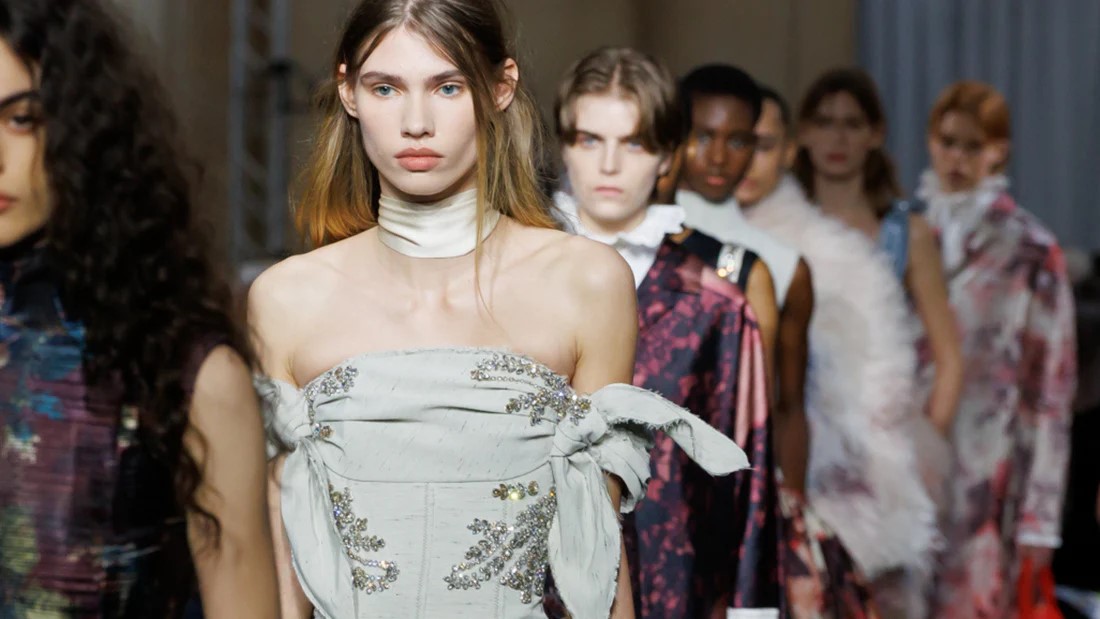
 growth and transformation. With its focus on innovation, sustainability and inclusivity, it’s not only setting new trends but also redefining what it means to be fashionable in the modern age”. Furthermore, in the view of the UK Reporter newspaper, the nation’s capital has reinforced its reputation as a hub of creativity and the biannual London Fashion Week (LFW) remains a prestigious venue for both established designers and emerging new talent.
 The comments by the Brítish Fashion Council’s CEÓ, Laura
 Weir, prior to the start of the latest LFW (19th-23rd February), although not directly contradicting any of this, nevertheless reflected the current pragmatic mood within the sector. The event is at its most potent when it combines the creative with the commercial, she told the Guardian’s fashion
  editor, Jessica Cartney-Morley and she acknowledged that financial pressures have led some designers to absent themselves not only from the London schedules but from the New York and Paris ones as well. This explains why the BFC has not charged fees for some of the catwalks and has doubled its investment in its International Guest Programme. As she told Cartney-Morley, the cost of
 putting on a show can be as much as £50,000, so “if its going to get you into loads of debt, don’t do it”.
According to the latest figures on Family Spending released by the Office For National Statistics (ONS), the average UK household allocates an estimated 3.9% – 4.1% of its annual expenditure to clothing and footwear, amounting to around £27 per week. This, they say, “demonstrates fashion’s resilience as a consumer priority, even amid inflationary pressures and tighter disposable incomes”. The Mckinsey & Company’s “State Of Fashion 2026” Report, nevertheless
  emphasises that the sector worldwide now faces new challenges such as considerable economic volatility and the technological disruption arising from Artificíal Intelligence which is obliging brands to rethink their digital marketing and e-commerce infrastructure .
In the UK, the additional complicating factor is that the sector is still suffering the consequences of Brexit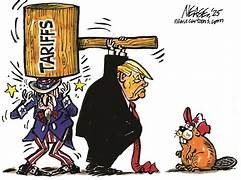
 even though it’s almost ten years since the UK voted to leave the European Union (23rd June 2016).As the Independent Commission on UK-EU relations has emphasised, Britain’s fashion and textile industry is not just a cultural powerhouse but also an economic force comprising 72,000 enterprises, 714,000 individuals and contributing £109.9 billion to the country’s exchequer. The visa and work permit requirements now faced in both directions by British and EU designers, stylists,
  models and photographers have, declares the Commission, made the
 UK less competitive compared to hubs like Paris and Milan and the exodus of 60% of skilled European staff has been a severe loss to the workforce.
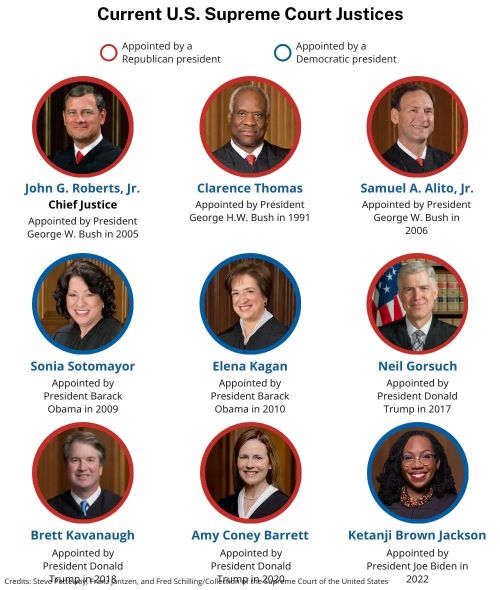
The decision by the US Supreme Court on February 20th that the President doesn’t have the authority to impose tariffs without the approval of Congress doesn’t mean that the previous trading arrangements can now be immediately resumed. The President, having been blocked from using the 1977 International Emergency Economic Powers Act (IEEPA) promptly declared that he would instead invoke section 122 of the 1974 Trade Act in order to increase tariffs
 globally by 15%, though this reverted to 10% on 24th February and will require the approval of Congress after 150 days for it to be extended for a further period. The discreet response from the
  UK Department for Business and Trade (DBT) has been that it will work with the US administration to understand “how the ruling will affect tariffs for the UK and the rest of the world”.
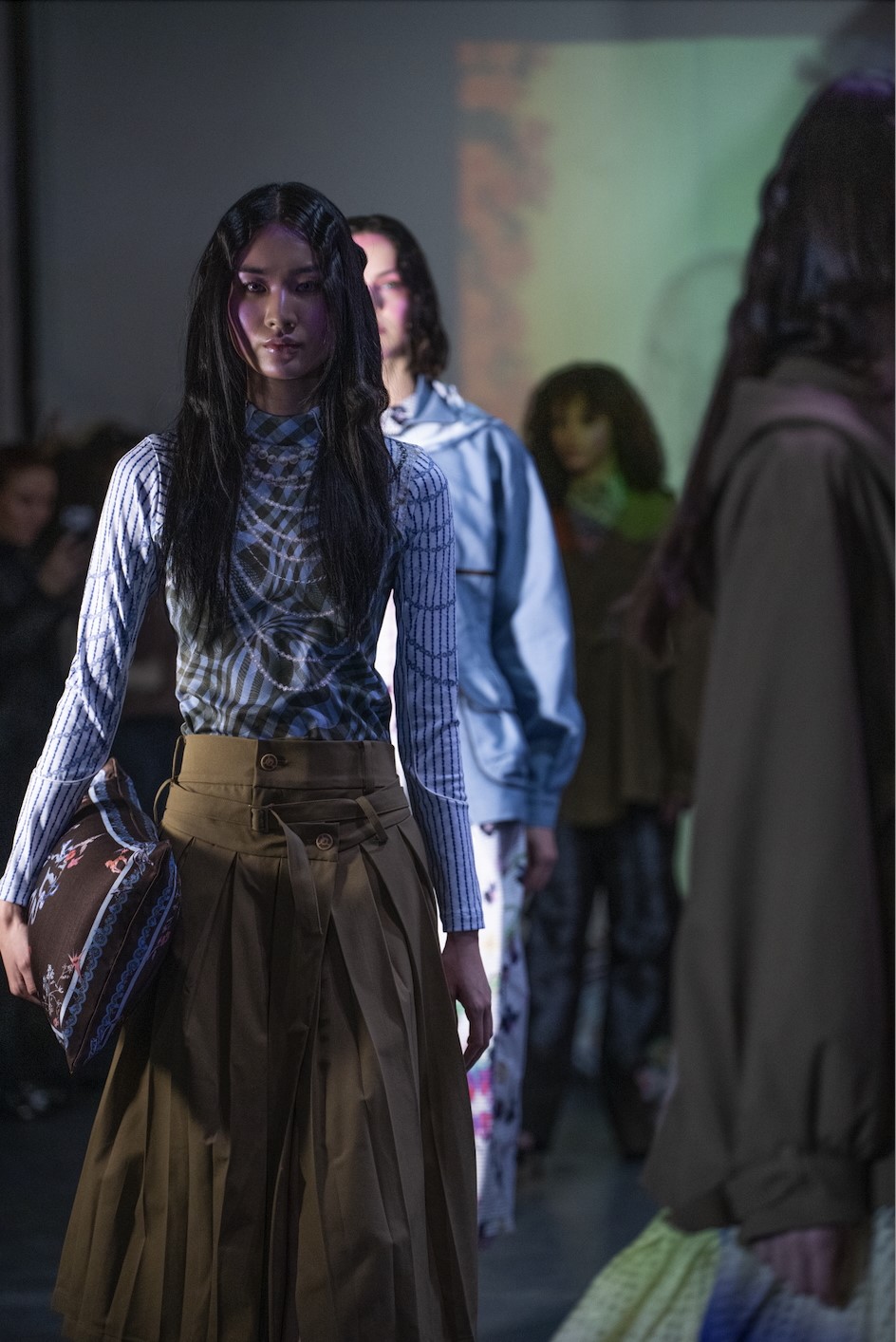
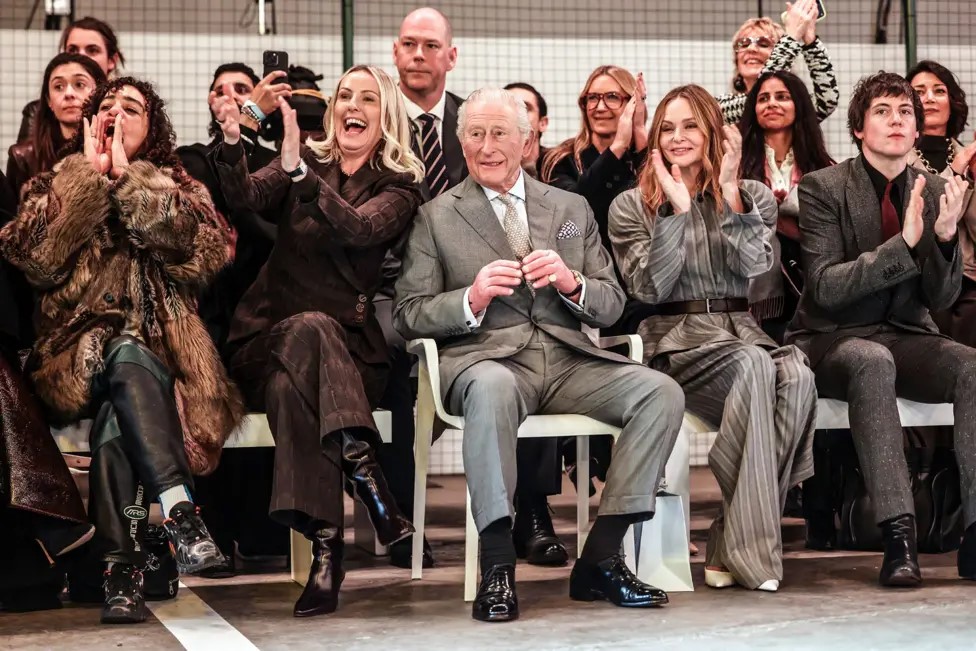
Meanwhile, amidst all of this and the international media furore over the arrest of Andrew Mountbatten-Windsor, LFW A/W proceeded almost as planned. Indeed, King Charles III himself attended the first day on 19th February at the BFC studios at 180 The Strand , sitting in the front row for the catwalk by the British-Nigerian designer, Tolu Coker, flanked by Stella McCartney and Laura Weir. It was the first time, noted the Independent columnist Lara Owen, since the
  appearance of Queen Elizabeth II in 2018, that a reigning British monarch had turned up at LFW in a gesture of support for the UK’s fashion scene. The remaining four days featured traditional stalwarts such as Burberry, Erdem, Emilia Wickstead, Temperley London and Simone Rocha plus several designers participating in LFW for the very first time.