Goodbye Glasgow: Next Stop Sharm El Sheikh 2022:
 So was COP26 a success, a complete waste of time & effort, or somewhere in between? As the Sunday Times noted in an editorial on 14th November, everybody will have their own verdict. For that newspaper, although the two-week event (31st October -13th November) had been a “hard slog”, it nevertheless signalled that “change is in the air”. The view of the Observer’s Science Editor, Robin McKie, was that, yes, there had been progress, but that “the planet’s fate is still in the balance”.
 This echoed the comments made by Antonio Guterres, the United Nations Secretary General and former Portuguese Prime Minister, following the release of the UNFCCC text of the consensus reached at the conclusion of the Glasgow COP ( the 26th in a series dating back to 1995). It represented a compromise, some important steps, he declared, but “our fragile planet continues to hang by a thread” and concerted climate action is needed to overcome the mistrust enveloping the globe.
At least, Mckie pointed out, this COP was not a complete failure like the one in Copenhagen 2009 and the door had been kept open for  further improvements and accords over the next twelve months. He cited as encouraging the commitment to end deforestation by 2030 signed by more than 100 nations, “including Brazil, which is generally seen as one of the worst offenders”.
Mckie’s counterpart on the Sunday Times, Ben Spencer, likewise described the agreements to cut methane emissions and phase out coal as “genuine advances”, but emphasised that after the biggest political summit ever held in Britain, during which 40,000 delegates, world leaders, royalty and 100,000 protesters , including “the inevitable Greta Thunberg”, had descended on the city, the possibility of limiting global warming to 1.5 degrees “had only just been kept alive”. Spencer also revealed that the UK’s chief negotiator, Archie Young, had been offered a bottle of tequila by the Mexican representative and vodka by the Russians if the meeting finished on time on Friday 12th November.
The reaction from environment protection organisations was,  however, much more critical. The International Indian Treaty Council (“Working For the Rights and Recognition of Indigenous People”) was particularly unhappy that China and India had waited until the final plenary session to object to draft language regarding coal, the dirtiest of fossil fuels, insisting the language be changed from “phasing out” to “phasing down”. Also that the matter of compensation for “Loss and Damage” caused by climate change to (for example) sacred sites and culturally-important places, cultural practices and traditional food and ecosystems had been “kicked down the road” to COP27 in Egypt (7-13 November 2022).
Rod Oram, a contributor to New Zealand’s “Newsroom” website, was scathing about the “pervasive influence” on the negotiations of the over 500 fossil fuel sector delegates in Glasgow, which he compared to inviting the alcohol industry to be the biggest contributor to an Alcoholics Anonymous conference. The Global Landscapes Forum was sceptical as to  whether the “grand goals and financial pledges” would become realities and the Climate Action Network (CAM) insisted that rich countries should accept that they are mainly responsible for this crisis and provide the billions urgently needed by the vulnerable developing nations. CAM was forthright in its condemnation of Australia’s alleged “appalling approach to climate change policy” and its refusal to join the coal phase-out pledge, though it did compliment the Australian Pavilion on the quality of its coffee machine.
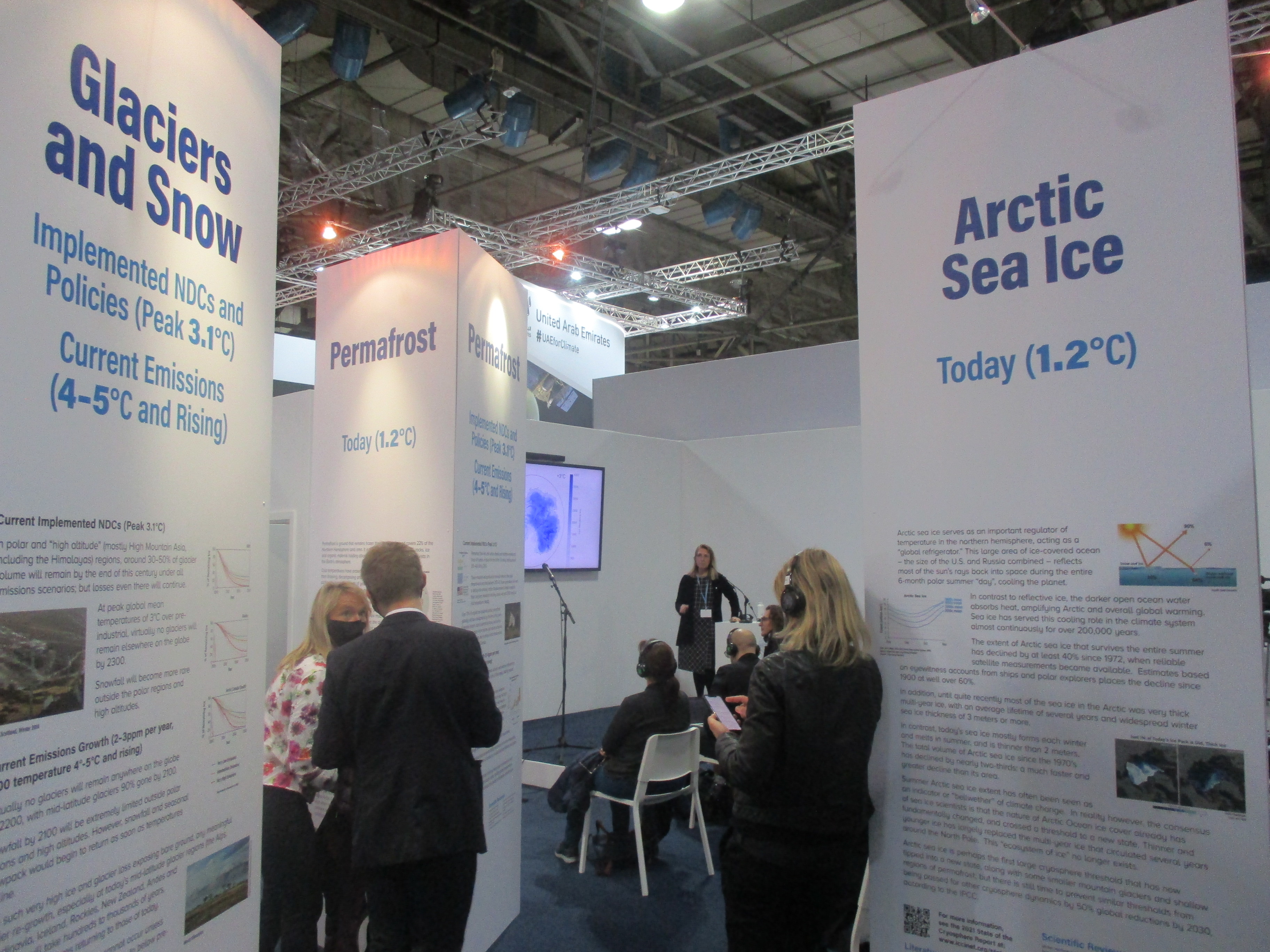
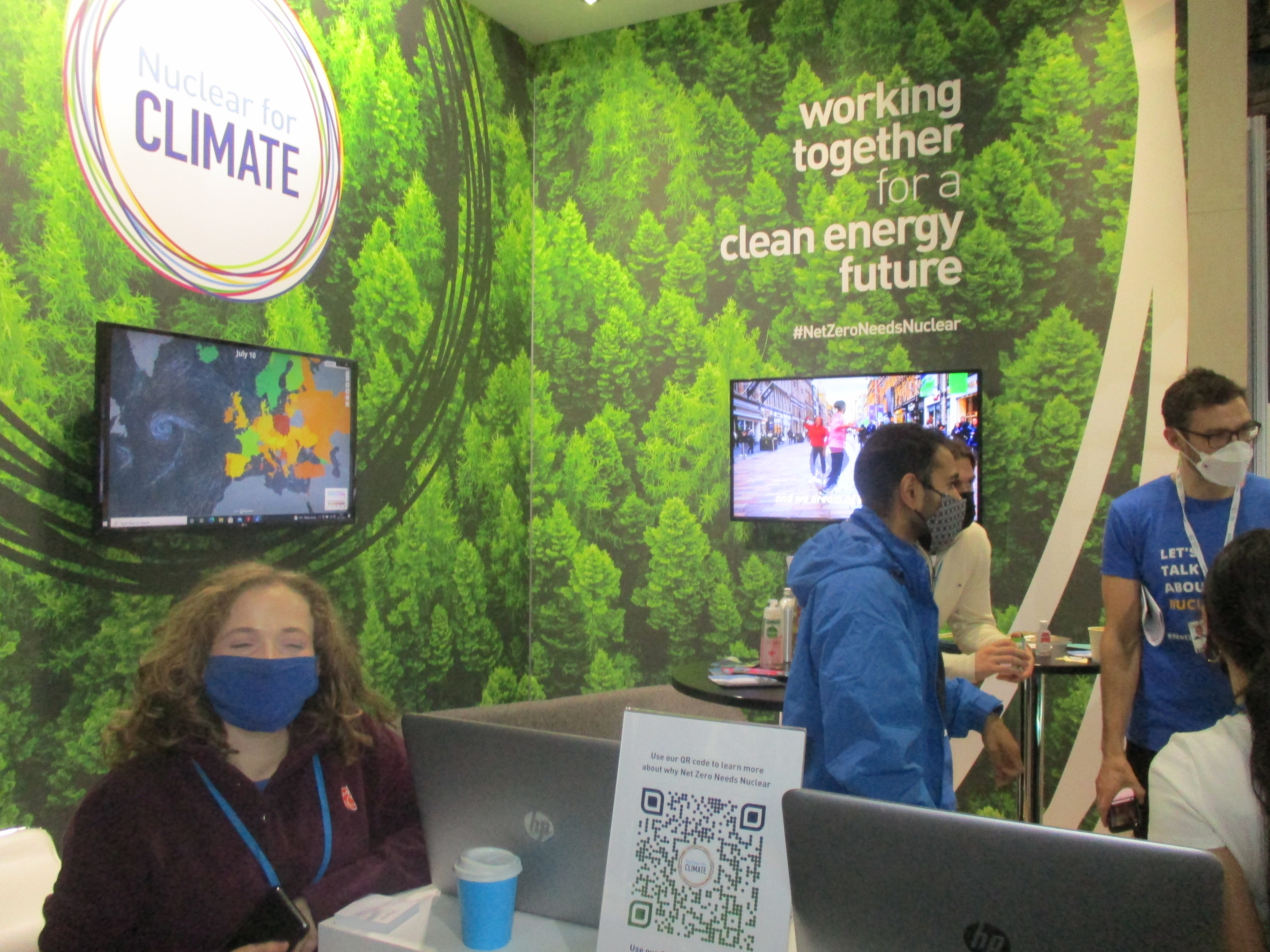
It was indeed noticeable when walking around the immense Scottish Exhibition Centre where COP26 took place that some of the biggest displays and stands were from countries reputed to be most accountable for the severest aspects of world-wide environmental pollution. There was enough written material and brochures being handed out to fill several  suitcases, featuring issues such as the State of the Cryosphere (The frozen waters of the polar regions), Water Sector Reform in the Republic of Tajikistan, the Global Wind Energy Council’s (GWEC) Manifesto, Oxfam’s Economic Model for the Production of Recycled Plastic in South Africa and Compassion in World Farming’s pamphlet expounding why diets must change to tackle climate emergency : “Food produces one third of greenhouse gas emissions, 75% of these from livestock”.
Meanwhile, according to the Guardian columnist Libby Brooks, many climate activists felt that “saturation policing” had created an  “atmosphere of fear” on the streets of Glasgow during COP26 (denied by Police Scotland), though the Observer journalists Ruth Michaelson and Fiona Harvey queried on 21st November whether protests will be allowed at all in Egypt next year. The Times correspondent Kenny Farquharson on 10th November expressed disenchantment at the apparent fierce competition between different campaign groups who focus (he contends) ruthlessly on “their own chosen aspect of the green agenda, be it veganism, biodiversity, carbon capture or preserving the Arctic Circle”, while Nimco Ali, a guest writer for the London Evening Standard the same day, proclaimed that she had no intention of spending two weeks of her life in Scotland “being surrounded by people who have no idea how to campaign effectively, shouting from the sidelines or becoming a photo opportunity for the media”.

Despite the Glaswegian restaurant owner and chef Peter McKenna enthusing in the Sunday Times Travel UK section that it was fantastic to see his city in the spotlight, the massive increase in the cost of accommodation during COP26 proved somewhat controversial. Some hotels, hostels and landlords were rumoured to be charging seven times the usual rate and many delegates were obliged either to use airbnb to find somewhere to stay or book a room in Edinburgh and travel the 40 miles from there by train each day to attend the conference. There are already signs that it could be a similar scenario in Sharm El Sheikh. The current price for 13 nights at the Amphoras Hotel next November is £5,537, at the Pyramisa Beach Resort £2,807 and at the Aurora Oriental Resort a mere £586, but that could change in the intervening 12 months.