The Disconcerting Shortage Of Scottish Kilts:
(Photo by Oli Scarff/Getty Images)
 “Of all the small nations of this earth, perhaps only the ancient Greeks surpass the Scots in their contribution to mankind”. Probably what Sir Winston Churchill, Britain’s Prime Minister during the 2nd World War, had in mind when he made that comment was what scotland.org has hailed as the “boundless imagination,
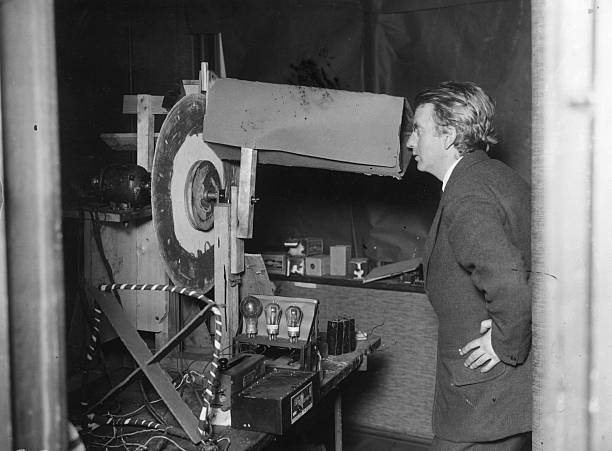
March 1923: Scottish electrical engineer and inventor John Logie Baird (1888 – 1946) (Photo by Topical Press Agency/Getty Images)
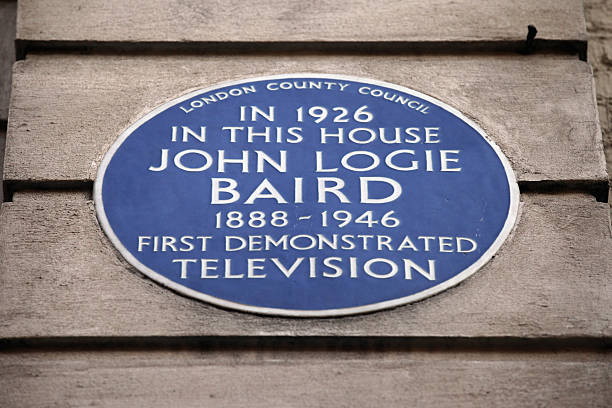
inspired creativity and passion ” of that nation’s most renowned innovators. It cites as examples Sir Alexander Fleming, who discovered penicillin, John Logie Baird who demonstrated the first working television system in 1926 and the inventors of the telephone (Alexander Graham Bell), the refrigerator (William Cullen), the electric toaster (Alan MacMasters) and disposable contact lens (Ron Hamilton).
Nowadays, as scottishkiltcollection.com has acknowledged, Scotland is mainly associated

with bagpipes, haggis and (especially) kilts. Paul McDougal of the Travelness website has produced a more extensive list. This includes:
The Loch Ness monster, which McDougal depicts as one of Scotland’s most famous assets: “Never before has a non-existent legend inexplicably generated so much tourism”; The highland cows with their shaggy ginger hair, curved horns

Isle of Skye, Scotland
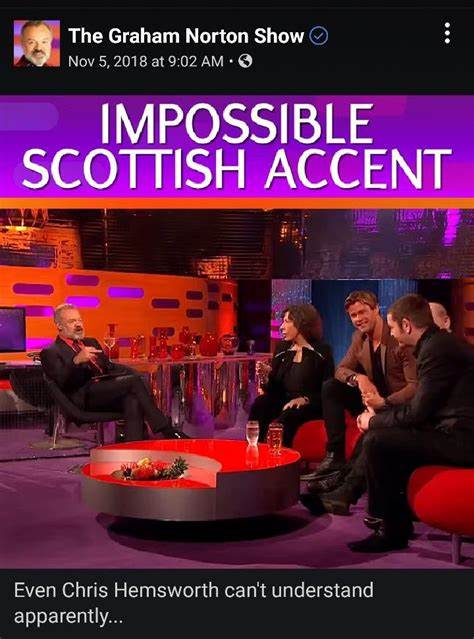
and stubby little legs; Haggis, Scotland’s national dish, which consists of the liver, lings and  fat of a sheep mixed with oatmeal, onion and spices, then boiled in the sheep’s extracted stomach; The virtually unintelligible Scottish accent; It’s global image as one of the friendliest destinations on the planet.
 Added to all of this could be the nation’s renowned whisky brands and shortbread, the Scottish people’s reputed predilection for deep-fried chocolate Mars bars, their unerring support for any sports team competing
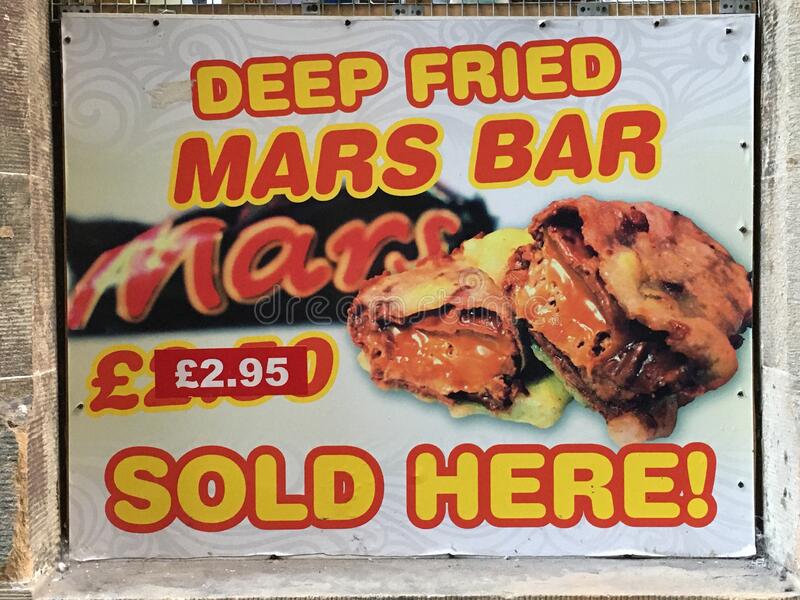 against England, and the relentless insistence by the first minister of the governing Scottish National Party (SNP), Nicola Sturgeon, for a second independence referendum.
On 28th August, an editorial in the Sunday Times declared that it had  been a leaderless summer not only in Westminster (while the Conservatives selected a new Prime Minister), but also in Scotland. Sturgeon, it commented, had been accused of being “asleep
 at the wheel” by the opposition parties, favouring foreign trips and appearances at the Edinburgh Festival instead of resolving the strike by the city’s refuse collectors, which – as the Guardian columnist, Libby Brooks pointed out on 31st August – was at risk of spreading to education staff, resulting in the closure of hundreds of schools and nurseries.

Scottish Bride & Groom:
The Sunday Times, however, didn’t make any reference to the “unprecedented kilt frenzy” which according to the Guardian on 13th July, had suddenly materialised in the early summer. During Covid, noted the newspaper, people, had kept postponing their weddings, so as soon the pandemic was over they were in a big hurry to get married and the demand for wedding kilts rapidly outstripped supply. Indeed, the Uk.finance.yahoo contributor, Emma Sabijak, had already on 19th May reported the warning by David Dalrymple, Director of A1 Kilt Hire, of possible shortages due to the anticipated record number of weddings.
Similarly, the Mail journalist Jacob Thorburn noted on 13th July, grooms were scrambling to get hold of kilts as there wasn’t a sufficient amount of tartan clothing available. Ian Carlton, the owner of Kilts4U, which rents out traditional costumes across Scotland, told Thorburn, that his company were running 400 kilt hires a week, that they were booked every day until October and that the entire industry was facing significant strain.

Royal Stewart Tartan & Sporran:
It can cost, observed Thorburn, around £150 to hire a full kilt outfit, which includes the sporran (a type of purse as the kilts don’t have pockets), kilt pin, belt, socks, brogues (shoes or boots with decorative perforations), waistcoat, tie, flashes (decorative garters) and the kilt itself. The price for buying a completely new kilt can be between £250 – £500.
Scottish Kilt Collection Publicity:
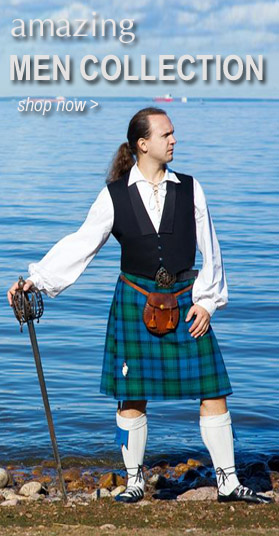
As the Scottish Kilt Collection (SKC) website emphasises, wearing the garment is more than just getting dressed for a special occasion. It’s a symbol of honour, pride and respect for the nation’s culture and heritage. When the highlanders of northern Scotland started to wear them in the 16th century, they were ankle-length, but by the 17th century it had been deemed more practicable for them to be just covering the knees. The kilt’s tartan design, states the SKC, reflects the wearer’s clan or family, but if you’re not Scottish, you can select one based merely on aesthetic value.
 As long as the design is unique and they can provide both an image and proposed name,anyone, whether individuals, schools, corporate groups or military units can apply, for a fee of £70, to enter a new tartan in the Scottish Register of Tartans (SRT), an organisation administered by the National Archives of Scotland, a statutory body based in
  Edinburgh.

Queen Elizabeth II with a Royal Stewart Tartan Blanket:
According to heraldryand crests.com, there are an estimated 3,500 – 7000 different tartans worldwide, the most popular apparently being the “Royal Stewart”, which was the personal tartan of Queen Elizabeth II. Around 150 new designs are submitted every year for the approval of the SRT.