Colgate v Sensodyne: The Evolution Of Oral Hygiene In The UK:
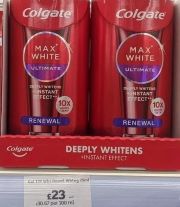
 “Toothpaste isn’t exactly a high-tech industry. It’s just fluoride with an abrasive, some detergent and flavourings. Cheaper brands are just as good as the expensive ones”. This was the indignant reaction of one shopper in Birmingham, quoted by the Daily Mirror’s regional content editor Howard Lloyd on 17th November ,who denounced being asked to pay £23 for a tube of Colgate Max White Ultimate at a local
 supermarket as “blatant profiteering”. Another
  one, a nurse, described £20 for Oral-B whitening as “extortionate”, declaring that a maximum of £2.50 was her limit and that she couldn’t see what was so special about the product that it should cost that amount.
The “Which” consumer protection organisation analyst Anna Studman, has likewise queried whether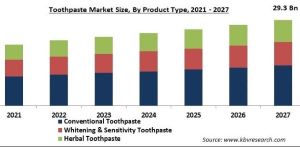
 “splashing out”so much on a “premium paste” is worthwhile when standard versions are available for far less. As she observed, although companies in this sector are constantly bringing out new, higher-priced, formulas that make big promises for our dental hygiene, the overall benefits may only be marginal.
All this coincides with growing concern regarding many of the ingredients in popular, widely-used
 cosmetics. On 17th October, for example, the Guardian columnist, Julia Kollewe, highlighted the legal action instituted by thousands of people against the US pharmaceutical company, Johnson & Johnson, because (they claim) it has knowingly sold baby powder containing asbestos-contaminated talcum in the UK. The previous Sunday, her colleague Linda Geddes had questioned the
  safety of some of the gel polishes used in nail bars around the country, especially the chemical TPO (Trimethylbenzoyl dipenylphosphine oxide) and Hema, which can apparently cause rashes, itching, blisters and changes in sensations in the fingertips.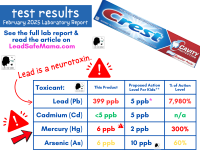
Much to their displeasure, several of the leading toothpaste companies have this year become the focus of similar attention and responded (according to Oskar Thorvaldsson, owner and CEO of Nutritional Supplement Manufacturers Inc) with “cease-and-desist” letters from their lawyers. In particular, they will not have liked the scathing captions featured in an article  by the News Target contributor Cassie B on May 14th, among them “Brushing With Poison” and “A Toxic Cocktail In Your Bathroom” which revealed the “staggering results” of an investigation conducted by the independent US testing organisation “Lead Safe Mama”. Their analysis of 51 toothpastes, many of them manufactured by household names such as Crest, Colgate and Sensodyne, found that 90% include lead, 65% arsenic, 47% mercury and that
 35% are contaminated with cadium, hence (despite their alleged denials and refusal so far to issue recalls) apparently exceed recommended World Health Organisation (WHO) and Environmental Protection Agency (EPA) levels.
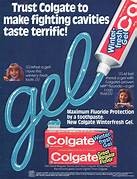 As “Which?” has pointed out, toothpaste is something we use every day, yet few people give much thought to the contents. Among the ingredients listed in small print on the reverse side of a tube of Colgate
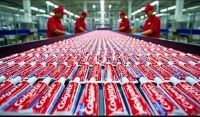 “Maximum Cavity Protection Calcium Boost”, for instance, are Sodium Lauryl Sulfate, Phosphate Dihydrate and Anthole, substances that, along with artificial dyes, sweeteners and chemicals such as triclosan can (states “Which?”) irritate the mouth, disrupt hormones or cause allergic reactions. Their “expert verdict” on two of the brands they assessed was that Oral-B’s assertion that it “soothes gums” is misleading and that Sensodyne’s claims about its “deep repair” product, though it may help with sensitivity, is mainly marketing terminology unsupported by
  clinical evidence.
The Global Data and Industry Today websites have noted that the UK toothpaste market’s steady growth can be attributed to the increasing demand for natural formulations. It’s value is forecast to reach more than £1050 million by 2035, which is why competitors such as Colgate-Palmolive, Unilever, Procter & Gamble and Haleon (the makers of Sensodyne, Corsodyl and Aquafresh) are now introducing fluoride-free and herbal variants.
 This coincides with what the global environmental action group WRAP has hailed
 as a “monumental development” during this year’s Recycle Week (22 – 28 September). From now on, the 252 million tubes of toothpaste sold annually in the UK will be made of high-density polyethylene instead of aluminium and plastic, which means they will all be technically 100% recyclable.
 WRAP is aiming to extend their campaign to the wide
  range of other household items such as shampoo, aftershave and perfume bottles, aerosols and yoghurt pots that eventually end up in landfills instead of being recycled.
WRAP estimates that millions of us brush our teeth twice a day. Dr Asha Ramesh, a medical contributor to Dentaly.org, recommends that this should take at least two to three minutes as any less doesn’t provide enough time to clean every surface of every tooth properly. However, data provided by the dental
 accountants Hive Business, cited by Dr Ramesh, indicates that 70% of people who only brush once a day do so in the morning rather than the evening and that 39% of 25 to 43-year-olds in the UK admit to brushing less than once a week.
Meanwhile, according to Nina Norman, the editor of Paminy.com, one of the most common arguments between couples is whether the tube should be squeezed from the bottom, the middle or top. The solution, she suggests, is for them to use a toothpaste dispenser or for each to have their own separate tube.